Chichen Itza gets over 2.5 million visitors a year and most of them do it wrong. They book a tour from Cancun, sit on a bus for 2.5 hours each way, arrive at peak heat with peak crowds, get 90 minutes at the site, and leave thinking they saw it. They did not. They saw the front of El Castillo with 3,000 other tourists.
I have been twice — once as that Cancun day-tripper, once staying in Valladolid and arriving at the site on my own at 8am on a Tuesday. The difference was enormous. The second time I walked the full site, found the smaller structures back in the trees that most groups skip entirely, and actually understood what I was looking at.
What You Are Looking At
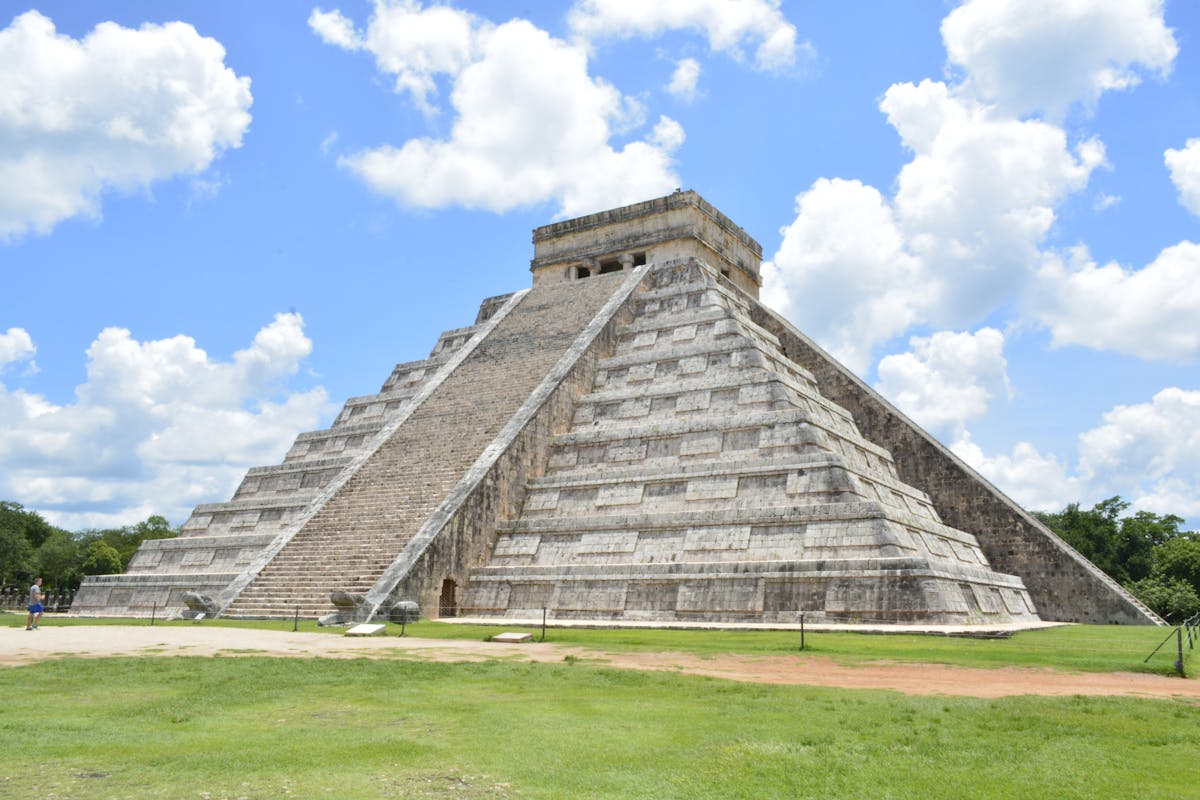
Chichen Itza was a major Maya city that peaked between roughly 600 and 1200 AD. It sits at the junction of two cultural traditions — classical Maya and central Mexican (Toltec) influences — and you can see both in the architecture. The feathered serpent columns, the chac-mool reclining figures, and the warrior reliefs at the Temple of the Warriors all show this mix.
El Castillo (the Kukulkan Pyramid) is the one everyone photographs. 91 steps on each of its four sides plus the platform on top — 365 total, one for each day of the year. During the spring and fall equinoxes, the late afternoon shadow on the north staircase creates a serpent pattern descending the steps. The effect works for several days on either side of the actual equinox date, so if you show up on March 18 or 23 instead of the 20th, you see roughly the same thing with a fraction of the crowd.
The Structures Most People Miss
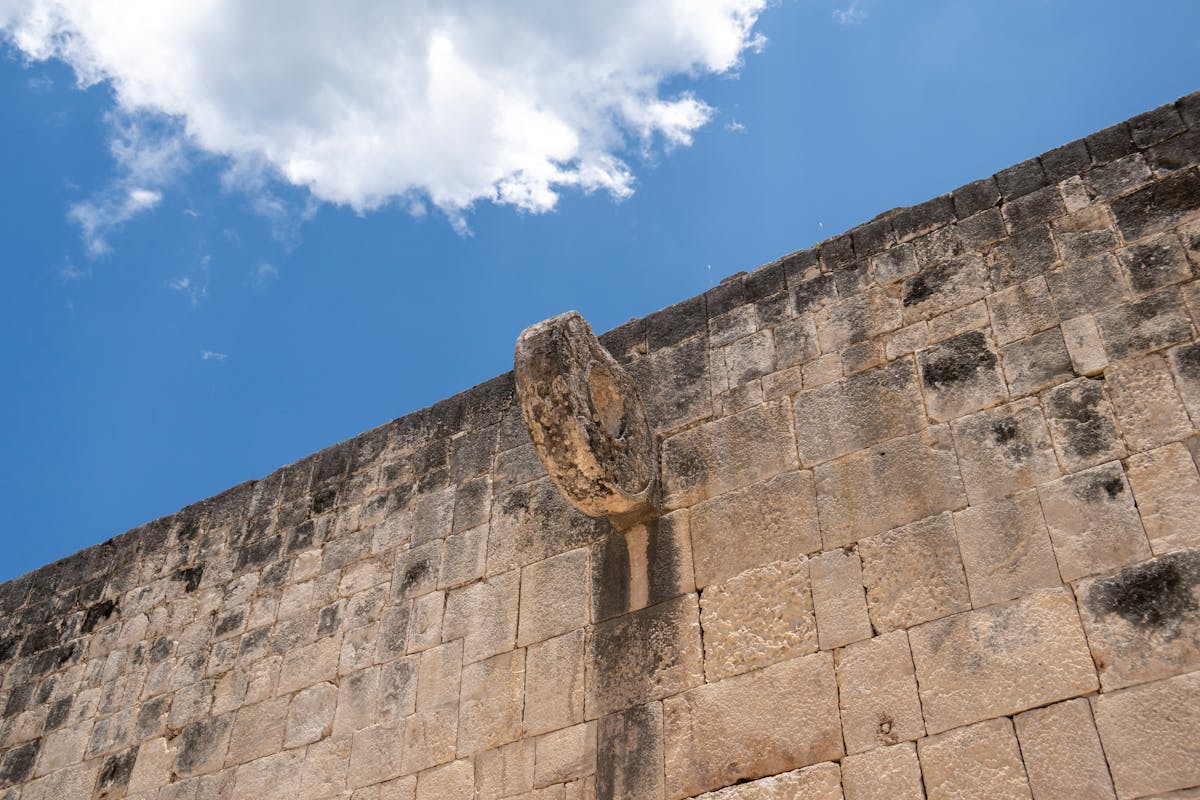
The Great Ball Court gets attention because it is massive — 166 meters long with 8-meter walls, the largest in Mesoamerica. The acoustics are genuinely strange. Stand at one end and clap and you can hear the echo at the other end, 166 meters away. The carved panels along the base show decapitated ball players. This was not a sport in the modern sense.
The Cenote Sagrado is a 60-meter-wide natural sinkhole north of El Castillo where the Maya made offerings. Dredging in the early 1900s pulled up gold, jade, pottery, copal incense and human bones. The cenote itself is impressive — sheer limestone walls dropping to murky green water — but you cannot swim in it. For swimming cenotes, there are better options nearby.
The Observatory (El Caracol) is a circular tower that looks nothing like the rest of the site. Its windows align with specific astronomical events — Venus rising positions, equinox sunsets. It sits in the older southern section of the site that feels more jungle-overgrown and gets far fewer visitors.
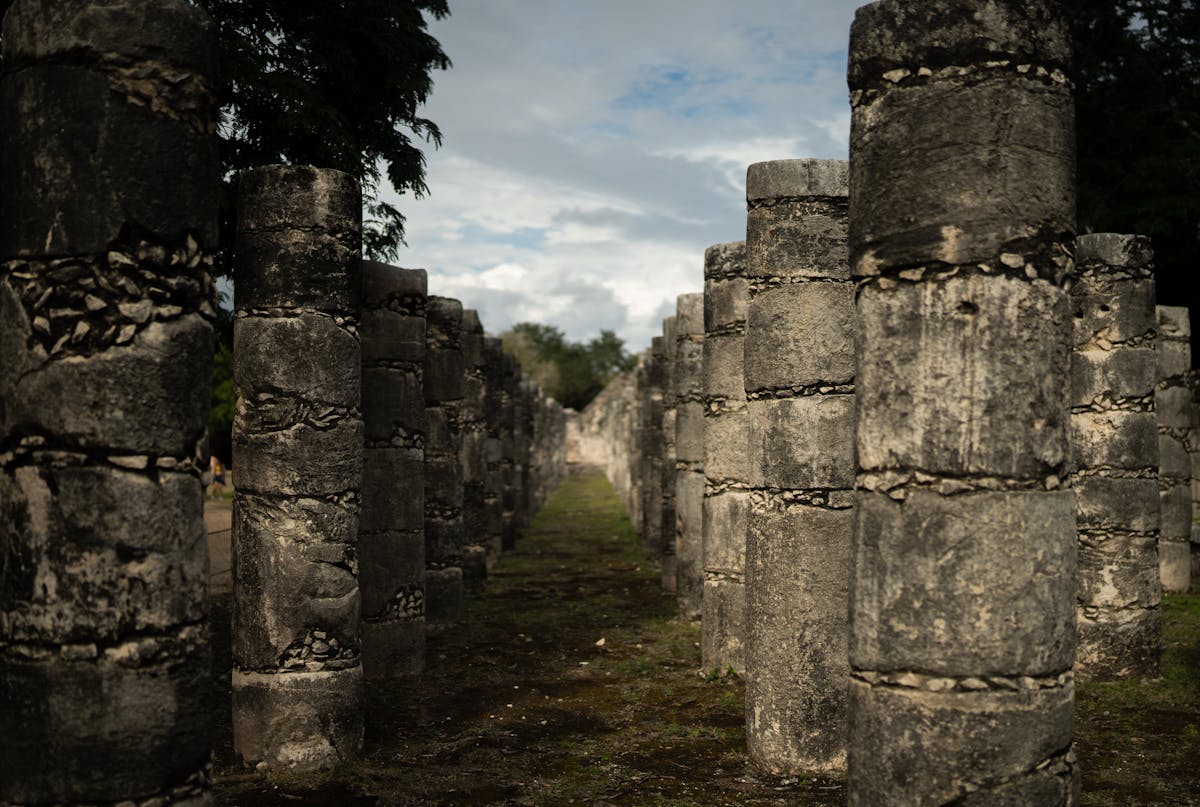
The Group of a Thousand Columns and the Temple of the Warriors are back toward the eastern edge. The warrior columns — rows of carved stone pillars showing armed figures — are among the most Toltec-influenced structures at the site. Most tour groups do not walk this far from El Castillo.
Practical Information
The site opens at 8am and closes at 5pm. Last entry is at 4pm. Entry costs 648 pesos for international visitors — paid in two separate transactions at the same counter (one federal fee, one state fee). Bring cash. The card machine is unreliable and the on-site ATM is not guaranteed to work.
Sundays are free for Mexican citizens, which means the site is at its most crowded. Avoid Sundays. The best days are Tuesday through Thursday. Arrive when the gates open at 8am or come in the afternoon around 2-2:30pm after the morning tour buses have cleared out. The afternoon light on El Castillo is actually better for photographs than the morning.
There is a sound and light show in the evenings, though reviews are mixed and it is in Spanish. Check at the ticket office for schedules and whether an English audio option is available.
Time Zone Warning
This catches people out. Chichen Itza is in Yucatan state, which runs on Central Standard Time. Cancun, Tulum and Playa del Carmen are in Quintana Roo state on Eastern Standard Time. That is a one-hour difference. If your phone auto-adjusts and you are driving from Cancun, you might arrive an hour earlier than you think — which is actually helpful — or an hour later if you are not paying attention, which is not.
Getting There
From Cancun: 2.5 hours on the cuota (toll road). The toll is about 400 pesos total. The road is excellent until you reach the town of Piste, 2.5km from the entrance, where it narrows. Do not try to navigate to the site after dark — the town roads are poorly lit.
From Merida: 1.5 hours east on Highway 180D. Shorter, easier drive. Merida is the better origin point if you are not locked into the Cancun hotel zone.
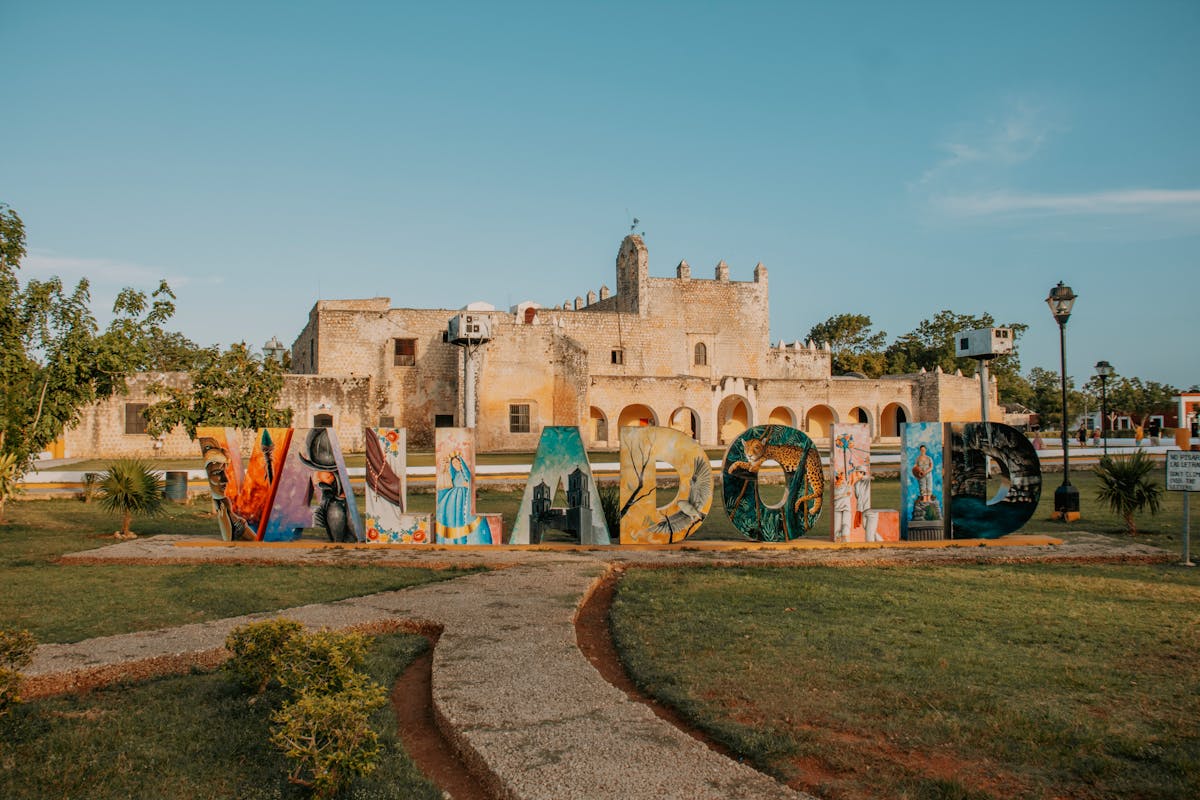
From Valladolid: 45 minutes. This is the smart base. Valladolid is a colonial town with its own cenotes (Cenote Zaci right in town is good), cheap hotels, decent restaurants, and none of the Cancun prices. Stay in Valladolid, drive or bus to Chichen Itza first thing in the morning, and be back for a late lunch.
ADO buses run from Cancun (2.5 hours), Merida (2 hours) and Valladolid (45 minutes). Second-class colectivos from Valladolid are cheaper and leave more frequently.
Tours vs Self-Guided
The vast majority of visitors come on organized tours from Cancun or Playa del Carmen. These tours typically cost $60-125 USD, include transport and a guide, and get you to the site around 10-11am when it is already hot and packed. The better ones include stops at a cenote and Valladolid on the return.
Going independently costs less and gives you control over timing. A rental car split between two or three people, plus entry, plus tolls comes out around $50-70 per person with the freedom to arrive at 8am and leave when you want. You lose the guided commentary but the explanatory signs at the site are in English, Spanish and Maya, and a rented audio guide or a decent guidebook fills the gap.
If you take a tour, pay more for a small group (8-12 people) rather than the 50-person coach tours. The price difference is worth it.
Nearby Cenotes
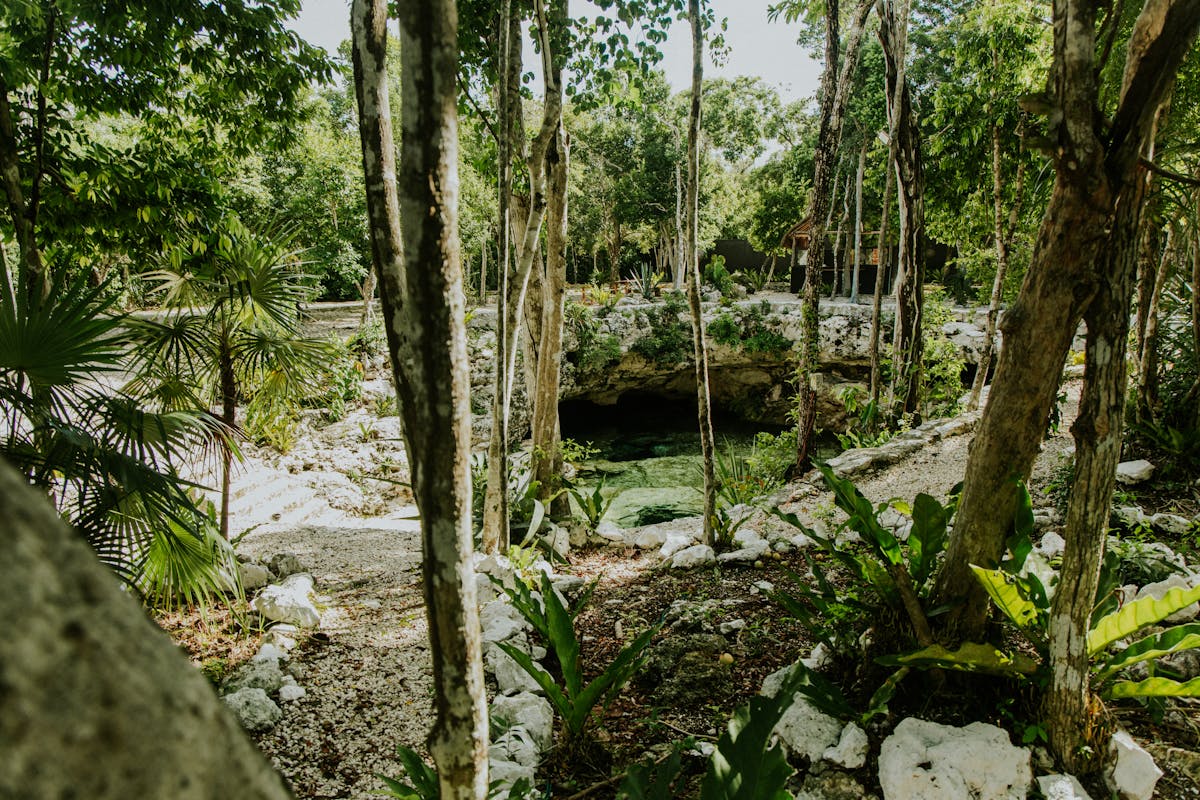
Several cenotes near Chichen Itza have been developed for swimming. Cenote Ik Kil is the most famous — a circular sinkhole with hanging vines that looks like a movie set. It is beautiful but gets overrun with tour groups midday. Cenote Suytun near Valladolid has a single beam of light that hits the water through a hole in the ceiling. Cenote Zaci in Valladolid itself is an open-air cenote right in town — less photogenic but more relaxed and only 30 pesos to enter.
For a quieter cenote experience, ask around in Valladolid for the smaller ones on ejido land outside town. These are community-run, less developed, and usually have you swimming alone.
Equinox Events
The spring equinox (around March 20-21) draws tens of thousands of people. A festival atmosphere fills the grounds — vendors, performers, crowds pressing toward El Castillo. If you specifically want the equinox experience, book accommodation months ahead and accept that you will be sharing the pyramid with a stadium-sized crowd.
If you want to see the serpent shadow effect without the chaos, visit in the days around the equinox — March 17-19 or 22-24. The shadow pattern is nearly identical and the crowds are a fraction of equinox day.